
The Basics of Sports Broadcasting
Understanding Sports Broadcasting
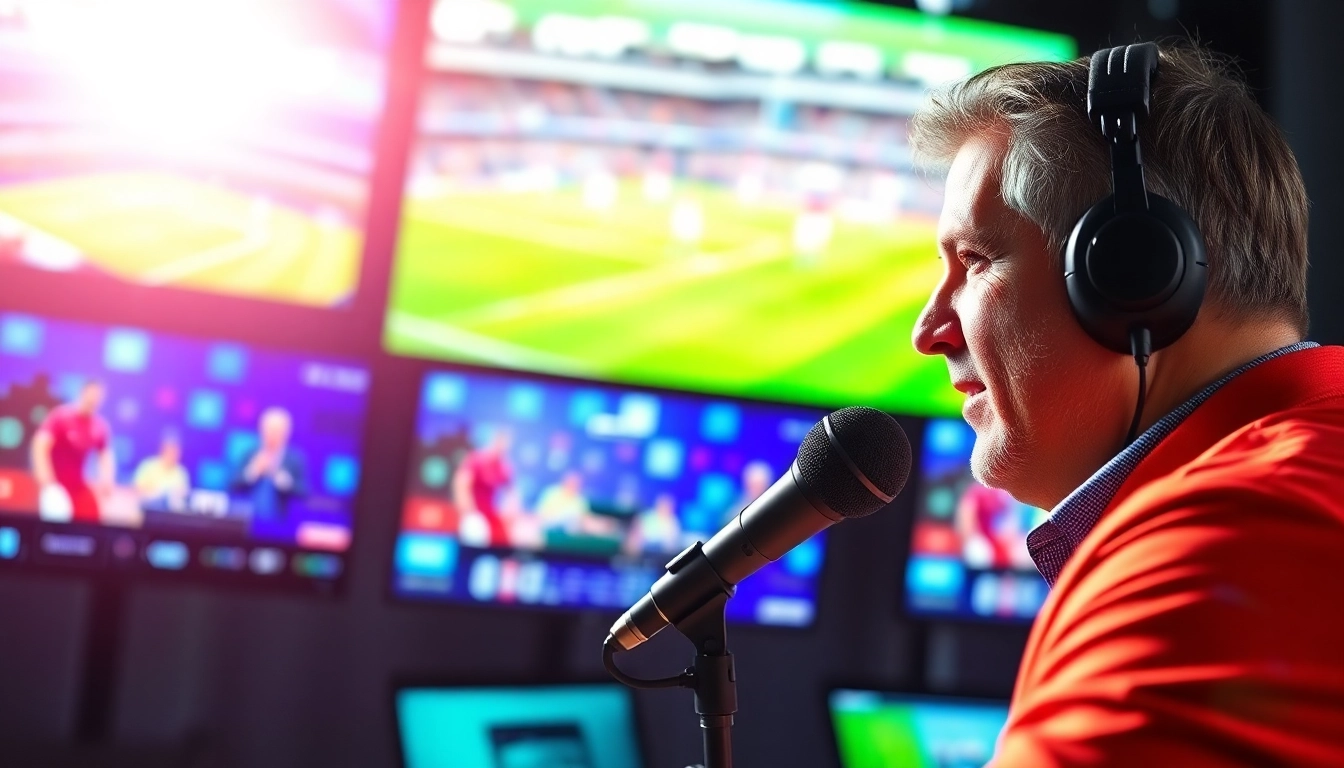
Sports broadcasting is a vital component of the modern sports landscape, serving as the bridge between the game and the audience. At its core, it refers to the live transmission of sporting events to audiences via various media including television, radio, and internet platforms. The purpose is not just to inform but to entertain and enhance the viewer’s experience, making it crucial for cultivating fan engagement. The evolution of technology has transformed sports broadcasting from simple radio announcements to sophisticated multi-platform broadcasts that deliver high-definition visuals and real-time stats. For those looking to delve into this exciting field, understanding the fundamentals is crucial. More in-depth knowledge can be gleaned from an informative guide on Sports Broadcasting.
Key Roles in a Broadcasting Team
A sports broadcasting team typically comprises several key roles, each vital to delivering a comprehensive broadcast. These roles include:
- Play-by-Play Announcer: This person provides the live narration of the game, describing the action as it unfolds in real-time. They set the tempo of the broadcast and need to have exceptional knowledge of the sport.
- Color Commentator: This role enhances the broadcast by providing in-depth analysis, statistics, and background stories. The color commentator often brings personality to the broadcast, engaging the audience and providing insights that are not immediately apparent during the game.
- Producer: The producer oversees the entire broadcast, making sure that all elements come together seamlessly. They coordinate between different departments, ensuring that the visuals, audio, and commentary are integrated perfectly.
- Camera Operators: These individuals are responsible for capturing the action. They must have a keen understanding of the dynamics of the sport to ensure they are focused on the right moments.
- Technical Director: This role involves managing the technical aspects of the broadcast, including sound, graphics, and video feeds, ensuring everything runs smoothly.
Essential Equipment for Sports Broadcasting
Successful sports broadcasting necessitates a variety of specialized equipment, including:
- Cameras: High-definition cameras are crucial for delivering quality visuals. Depending on the event, there may be multiple camera angles to capture all facets of the game.
- Microphones: These are essential for clear audio, including both ambient sounds from the field and the commentators’ voices. Wireless microphones are preferred for mobility.
- Switchers: Video switchers manage the flow of various input feeds, allowing for a dynamic viewing experience that can include instant replays and coverage from multiple cameras.
- Graphics Systems: These systems help create on-screen graphics that provide viewers with statistics, player information, and real-time updates.
- Broadcasting Software: Software solutions are used for streaming, enhancing real-time analytics, and delivering a smooth viewing experience across various platforms.
Techniques for Effective Sports Commentary
Crafting Engaging Narratives
Effective sports commentary goes beyond mere play-by-play narration; it involves storytelling that captivates the audience. Announcers should work to weave narratives that relate to the current game while integrating historical context, such as player achievements or team rivalries. Incorporating human interest stories, highlighting player backgrounds, or discussing the stakes of a particular match can enrich the viewer’s experience, making it more relatable and engaging.
The Importance of Tone and Pacing
Tone and pacing are critical components of effective sports commentary. A knowledgeable announcer must master the art of adjusting their tone according to the dynamics of the game. For example, during a high-energy moment like a buzzer-beater or a game-winning goal, the tone should rise in excitement, whereas during quieter moments, a slower, reflective approach may be appropriate. Pacing should also be varied, keeping the audience’s attention and enhancing the drama of key moments.
Utilizing Visual Aids and Stats
Today’s audience is visually-driven, making it essential to incorporate visual aids and statistics into commentary. Engaging graphics that display player statistics, team standings, or historical performance can help inform the viewer while making the broadcast visually attractive. Highlights or replays shown alongside live commentary further emphasize critical plays, providing an immersive experience and allowing viewers to understand the significance of each moment of the game.
Digital Trends in Sports Broadcasting
Streaming Platforms vs. Traditional Broadcasting
The rise of digital media has dramatically reshaped the sports broadcasting landscape. Streaming platforms offer on-demand content, catering to consumer preferences for convenience and flexibility. Traditional broadcasting must adapt, often packaging their products into online formats or live streaming services. This shift allows fans to engage with content across various devices, fostering a blurred line between traditional and digital broadcasting.
The Rise of Interactive Viewership
Interactive viewership is another significant trend, empowering audiences to engage in the sports experience like never before. Many platforms offer features like real-time stats, interactive polls, and chat functions during broadcasts, allowing viewers to share opinions and predictions, thus enhancing the social aspect of watching sports. This trend illustrates a shift from passive to active consumption, where viewers become part of the narrative.
Leveraging Social Media for Engagement
Social media has emerged as a powerful tool for sports broadcasters, providing a platform for real-time engagement with fans. Broadcasters can promote upcoming games, share highlights, and provide behind-the-scenes content across various platforms. By fostering a dialogue with the audience, sports broadcasters can create a community of engaged viewers, leading to increased loyalty and viewership.
Challenges in Sports Broadcasting
Handling Live Mistakes
In the fast-paced world of live sports broadcasting, mistakes are inevitable. Whether it’s a mispronounced name, incorrect stat, or technical difficulties, how these errors are managed can significantly influence audience perception. Broadcasters should acknowledge mistakes gracefully, offering clarifications or humorous commentary to mitigate any potential fallout, thereby maintaining the audience’s confidence in their professionalism.
Balancing Analysis and Play-by-Play
Finding the right balance between play-by-play commentary and analytical insights is a common challenge in sports broadcasting. Excessive analysis can detract from the live action, while too much play-by-play can make the commentary superficial. Broadcasters must develop a keen sense of timing, learning when to emphasize action and when to provide context or analysis, ultimately enhancing the viewer’s understanding of the game.
Ethical Considerations in Sports Commentary
Ethics in sports broadcasting is paramount. Commentators hold the responsibility of providing fair and unbiased coverage while avoiding sensationalism. They should steer clear of making inflammatory remarks that could negatively impact players or teams and strive for integrity and respect in their commentary. Ethical awareness is crucial for maintaining credibility and trust with audiences.
Future of Sports Broadcasting
Technological Innovations on the Horizon
As technology evolves, so too does the potential of sports broadcasting. Innovations such as augmented reality (AR) and virtual reality (VR) stand to revolutionize how games are experienced. These technologies can provide immersive experiences, allowing audiences to feel as if they are part of the action, potentially altering the way games are consumed and enjoyed.
Audience Evolution and Engagement Strategies
The audience for sports broadcasting is continually evolving, with younger generations seeking interactive and personalized viewing experiences. Broadcasters must adapt their strategies to engage these viewers effectively, utilizing technology such as mobile apps and personalized content, which cater to individual preferences and viewing habits. Engaging storytelling and community-building efforts through social platforms will also be crucial moving forward.
Preparing for the New Era of Broadcasting
As sports broadcasting enters a new era, preparation is essential for broadcasters and production teams. Training in new technologies and understanding audience preferences will be critical. Broadcasters should also continue to challenge traditional methods of narrative and viewer engagement to stay relevant in a fast-paced digital environment. Maintaining adaptability and creativity will be crucial for success in the ever-evolving landscape of sports broadcasting.
Frequently Asked Questions
What is sports broadcasting?
Sports broadcasting involves the live transmission of sporting events via platforms like TV, radio, and online. It enhances fan engagement and provides real-time commentary on games.
What roles are essential in a broadcasting team?
Key roles include play-by-play announcer, color commentator, producer, camera operators, and technical director. Each plays a vital role in delivering a seamless broadcast.
How has digital media impacted sports broadcasting?
Digital media has transformed sports broadcasting by offering streaming options, enabling on-demand content, and fostering interactive viewer engagement through social platforms.
What challenges do sports broadcasters face?
Common challenges include handling live mistakes, balancing play-by-play with analysis, and adhering to ethical standards in commentary to maintain audience trust.
What does the future hold for sports broadcasting?
The future will likely involve technological innovations like virtual reality, a focus on audience preferences, and the creation of more interactive, personalized viewing experiences.