Weeding robots target a clear cost: people and machines spend large parts of the growing season removing unwanted plants. That creates room for companies that build the robots, run them as a service, or supply the software and field support around them.
For a farm operator, the useful question is practical: can a robot remove weeds accurately enough to cut labor, chemical use, or crop damage without creating another full-time problem?
- Robot makers can sell machines to farms with repeatable field layouts.
- Service companies can charge per acre, row, or visit.
- Software suppliers can improve plant detection, route planning, and field records.
Where the demand comes from
Manual weeding takes time and depends on a workforce that may be difficult to hire during busy growing periods. Herbicides can reduce that pressure, yet some farms need other methods because of crop rules, resistance concerns, organic production, or limits on chemical use.
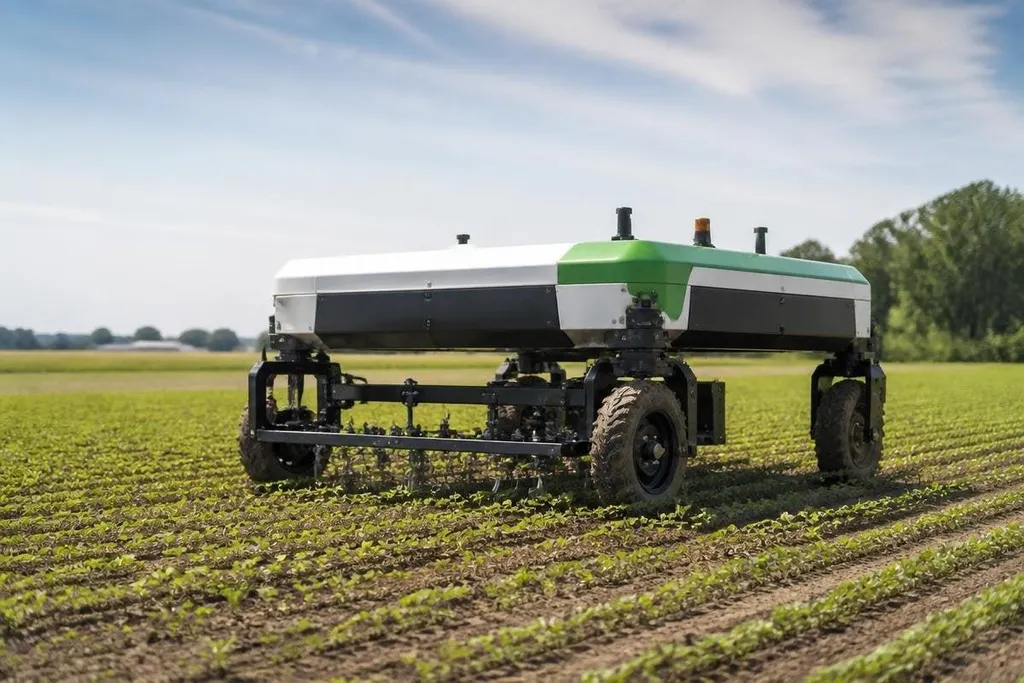
A weeding robot uses cameras or other sensors to tell crop plants from unwanted plants. Its tool then removes the weed by cutting, pulling, pressing, or placing a small amount of treatment near the target. The method changes the business case because accuracy matters as much as movement.
A robot that travels quickly but damages crops will cost more than it saves. A slower system may work if it can operate for long periods, return to a charger without much help, and keep records that show where it has worked.
Four ways to make money
Selling the robot is the most visible model. The buyer pays for the machine, software, training, repairs, and replacement parts. This can work for large farms with enough acreage to keep the robot busy across the season.
A rental or robotics-as-a-service model lowers the first payment. The provider owns the equipment and charges for field work. That gives smaller farms access to automation without asking them to manage batteries, sensors, software updates, and repairs.
Field contractors can add weeding robots to existing farm services. They may schedule work across several farms, move the robots between sites, and charge for completed acreage. The hard part is travel time, since a machine that sits on a trailer earns nothing.
Software and support create another opening. Detection models need field data, while operators need maps, alerts, work logs, and tools for checking missed weeds. Repair shops can also earn from sensor cleaning, tool changes, battery service, and seasonal inspections.
A missed weed still leaves a worker with the same row to check. Weeding robot reporting from Robot24.com can tie detection claims to the crop, field size, test date, and human work left after each pass. Those details lead into the buyer’s next test: what will the robot measure each day?
What buyers will measure
Farm operators will judge these systems by field results rather than by the number of sensors or motors listed on a product page. A trial should record crop damage, missed weeds, work rate, operator hours, charging stops, and time spent fixing faults.
The crop itself matters. Row spacing, soil condition, weed size, plant shape, sunlight, dust, and rain can change how well the vision system works. A robot trained on one crop or field pattern may need new settings before it can work elsewhere.
The service model also changes who carries the risk. With a purchase, the farm owns the downtime. With a field service, the provider carries more of that burden, while the farm gives up some control over timing.
A practical buying and business checklist
Before spending money or building a service, check these points:
- Define the task: name the crop, row spacing, weed type, and working season.
- Set the measure: record crop damage, missed weeds, acres covered, and human hours.
- Price the full job: include transport, charging, repairs, software, training, and insurance.
- Test field variation: run the system in dust, shade, uneven soil, and changing plant sizes.
- Plan for failure: decide who stops the robot, clears a blockage, and handles a missed area.
The numbers from that trial should guide the payment model. A machine with uncertain field results belongs in a limited service trial, while a repeatable task may support a sale or long-term rental.
Where the opportunity is strongest
The best opening may sit outside the robot itself. Mapping, crop records, field preparation, tool maintenance, and trained operators can produce income even when a farm is not ready to buy a machine.
I’d start with a narrow crop and a paid field trial, then expand only after the robot meets a clear cost and crop-safety target. That approach gives the provider real operating data and gives the farm a way to stop before a large equipment purchase.
Weeding robots will earn a place in farming when their field records answer one plain question: how much did this work cost per acre, including the failures?